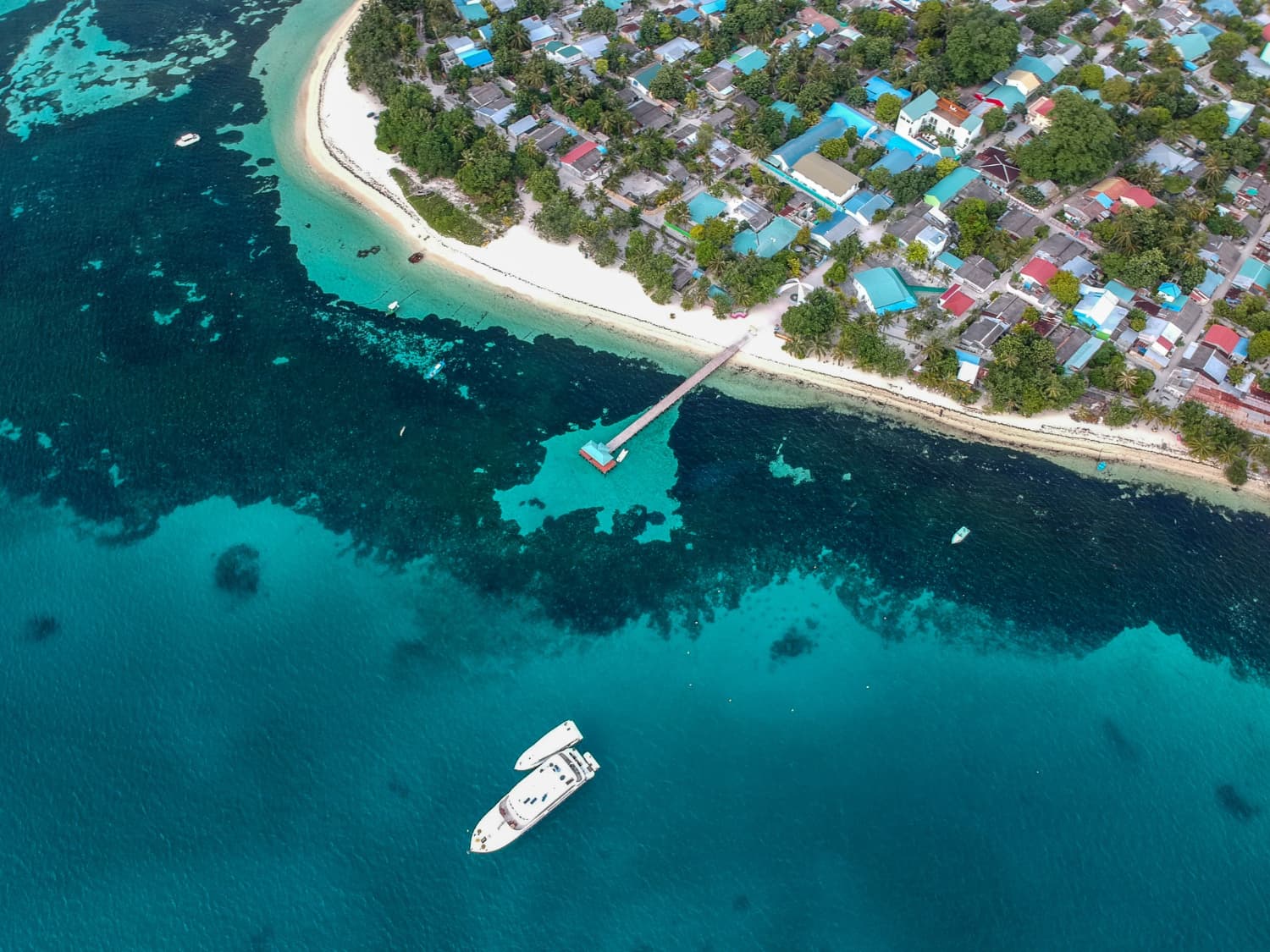
The construction and design landscape in paradise regions has undergone a profound transformation over recent decades, with changes affecting both aesthetic approaches and technical priorities. In archipelagos such as the Bahamas, architecture has moved away from simply replicating colonial models toward offering contemporary solutions that integrate functionality, climate resilience, and renewed spatial experiences. Today’s projects seek a balance between comfort and respect for the environment, treating light, prevailing winds, and local culture as essential design components. This new perspective is driven by professionals capable of blending creativity and pragmatism to create homes that endure and engage in dialogue with the surrounding landscape.
Architectural practice on the islands now demands multidisciplinary thinking, where environmental preservation and user experience carry the same weight as structural solidity. Clients increasingly value solutions that reduce ecological footprint without sacrificing high-quality finishes or long-term luxury experiences. This growing focus on sustainability has led both local and international firms to adapt construction methods and implement more efficient management strategies. As a result, the architect’s role has expanded to encompass not only form, but also the full life cycle of the building.
Integrating the Natural Environment Is Key to Understanding the New Wave of Residential Architecture in the Bahamas
One of the most distinctive traits of contemporary design in the region is the dissolution of boundaries between interior and exterior spaces, allowing island life to be experienced from within the home itself. Design solutions include large openings, continuous terraces, and courtyards that encourage cross-ventilation and maximize natural light. These decisions reduce reliance on artificial cooling systems and create healthier, more comfortable living environments. At the same time, visual connections to the sea and surrounding vegetation are conceived as added value, enhancing the everyday residential experience.
Building orientation is planned based on detailed solar and wind studies, directly influencing the placement of common areas, bedrooms, and service spaces. Biophilic design is incorporated through both technical and aesthetic criteria: native plants integrated into planters, permeable elements, and materials that reference local geography. Limestone, treated woods, and finishes that age well in marine climates are combined to create a strong sense of place. The ultimate goal is for each project to feel like a natural evolution of the landscape rather than a forced intervention.
The Challenge of Logistics and Materials in Island Construction Requires Meticulous Planning
Building on islands presents logistical challenges that begin with sourcing and transporting materials and extend through on-site workforce management, where precise coordination helps minimize costs and delays. Local availability is often limited, making advance planning for imports essential while accounting for variables such as flights, shipping schedules, and customs procedures. Architects and project managers working in the region must master complex timelines and maintain strong relationships with international suppliers to ensure continuity on site. The difference between a successful project and one plagued by cost overruns often lies in the ability to anticipate and resolve these logistical bottlenecks.
Resistance to salt exposure and hurricane forces dictates material selection and construction techniques from the earliest conceptual stages. Priority is given to corrosion-resistant components, impact-rated glazing, and structural systems designed to recover integrity after extreme weather events. At the same time, these technical elements must retain warmth and visual appeal, leading designers to carefully select finishes that soften robust appearances without compromising performance. This approach results in homes that are durable while still offering the welcoming character sought by owners and residents alike.
The Modern Reinterpretation of British Colonial Style Sets the Tone for Exclusive Developments
The region’s architectural heritage remains an essential point of reference, offering a formal vocabulary that designers update with subtlety. British colonial style contributes pitched roofs, wide galleries, and protective shutters—elements now integrated with cleaner lines and contemporary construction solutions. This reinterpretation aims to preserve a sense of place while adapting homes to modern demands for comfort and efficiency. The result is architecture that feels familiar yet fully aligned with current standards.
Careful attention to proportion, rhythm, and composition allows designers to retain the colonial essence without resorting to literal imitation. High ceilings, for instance, are preserved not only for tradition’s sake but also for their ability to improve ventilation and spatial quality; verandas are reimagined as fully equipped outdoor living spaces suited for daily use. Color palettes are simplified toward whites and neutral tones that highlight vegetation and sea views, while local textures add visual richness. Overall, this reinterpretation delivers functional elegance that coherently bridges past and present.
Those seeking to understand this phenomenon often look to concepts such as Bahamian architecture, a reference that has transcended borders and helped define a modern regional identity. Projects that merge tradition with advanced technologies attract buyers who value distinction, durability, and a lifestyle deeply connected to place. This interest has driven the development of residential communities where landscape design and infrastructure share the same holistic vision. Architecture moves beyond being a mere object and becomes a platform for integrated living in harmony with nature.
Sustainability and Energy Self-Sufficiency as Imperatives in Future Design
Energy costs and exposure to extreme climate events have elevated sustainability to a top priority for homeowners and developers alike. Contemporary projects combine passive strategies with active technologies: carefully calculated shading, optimized natural ventilation, water harvesting, and solar systems integrated with battery storage to stabilize supply. These solutions are implemented from the earliest design stages and tailored to the specific needs of each site and user. The goal is to create homes that reduce operating costs while maintaining performance amid environmental change.
Water management is central in island environments, making rainwater capture and treatment systems essential components of residential design. Roofs and surfaces are shaped to maximize collection, supported by cisterns and modern treatment systems that enable reuse for irrigation and service needs. At the same time, home automation facilitates efficient control of electricity and water through sensors and adaptive systems based on occupancy. These practices increase residential resilience and reduce dependence on external infrastructure.
The Architect’s Fundamental Role as an Integrated Manager of the Creative and Construction Process
In complex island markets, architects fulfill roles that go far beyond graphic design: they act as legal advisors, permit coordinators, and construction supervisors, serving as the link between clients and suppliers. A deep understanding of local regulations, environmental requirements, and island-specific conditions is crucial to transforming an idea into a viable project. Transparent management and consistent communication build trust—especially when owners reside abroad during construction. This strong professional relationship helps avoid surprises and ensures each phase meets established standards.
On-site supervision includes quality checks, material control, and technical validations at every stage, from foundations to final finishes. For owners who cannot be physically present, the architect becomes a trusted representative safeguarding the project’s integrity and timeline. Integrating interior design within the same team further ensures aesthetic and functional coherence, optimizing overall results. The combination of technical expertise and design sensitivity defines the studios leading contemporary island architecture.
The value of working with established local teams lies in their ability to merge deep territorial knowledge with access to international supply networks and technology. Firms such as Ezlo Architects have developed methodologies that harmonize these two worlds, delivering projects that meet international expectations while remaining firmly rooted in local context. This integrated approach ensures each residence is sustainable, comfortable, and tailored to the realities of the Caribbean climate. In doing so, it shapes an architecture defined by beauty, usability, and long-term durability.
The future of design in the Caribbean points toward increasingly integrated solutions, where technical innovation and landscape preservation become guiding principles. Successful projects are not only visually appealing but also offer energy efficiency, climate resilience, and a lifestyle closely connected to nature. This approach enhances property value while contributing to the social and environmental sustainability of island communities. Architecture, in this sense, acts as a catalyst for a more responsible and enjoyable way of living on the islands.

Hola mundo, soy Sofía Salomé copywriter de Damboats.es